What to Wear Hiking at Machu Picchu
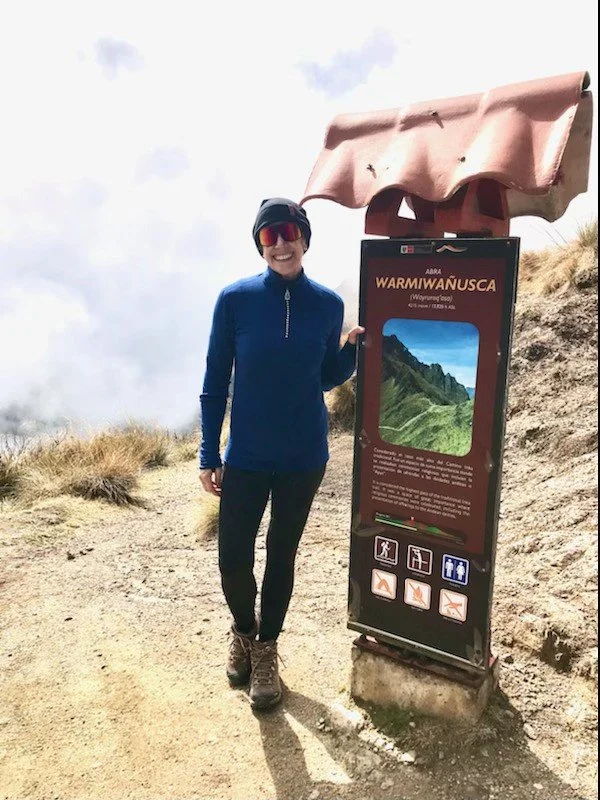
From the moment you leave the town of Cusco and head into the Sacred Valley, the altitude makes itself known. By the time you reach Warmiwañusca — Dead Woman's Pass — you are standing at 4,215 metres above sea level, higher than most peaks in the Canadian Rockies, with the wind coming at you sideways and the temperature dropping fast.
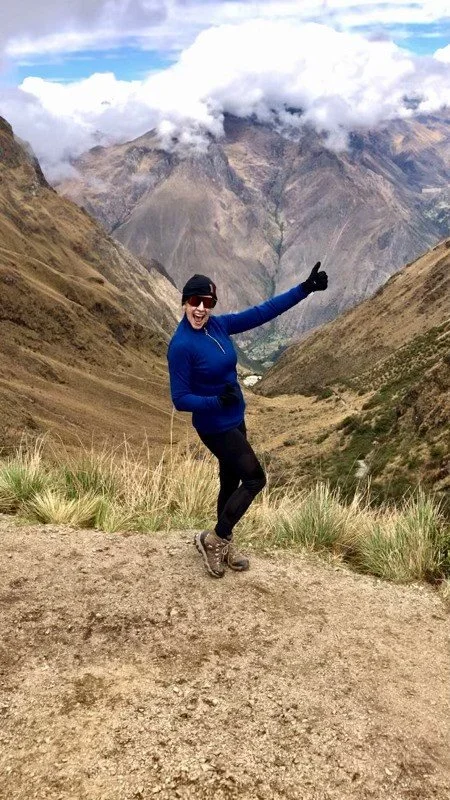
Warmiwañusca is the highest point on the classic four-day Inca Trail to Machu Picchu. Experienced trekkers know the name well. It is where the trail crests after one of the steepest climbs of the journey, and where the view — on a clear day — stretches across fold after fold of Andean mountains in every direction. It is also where you discover very quickly whether the clothing in your pack was the right choice.
For Gail, a recent traveller on this route, the clothing question had been carefully thought through long before the trip began.
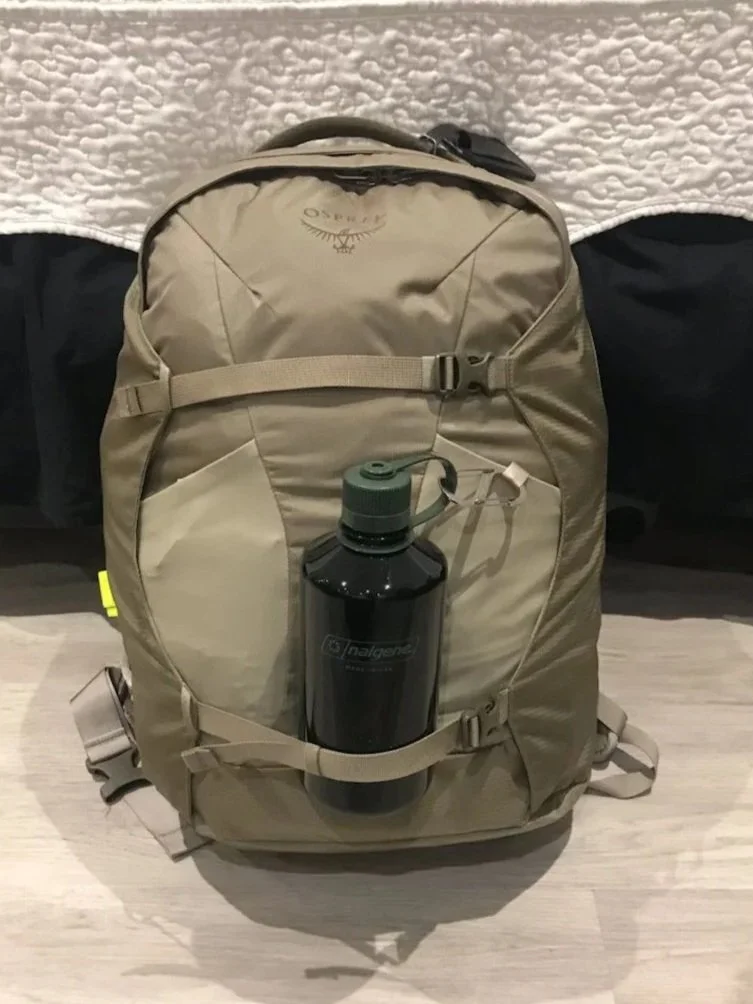
Organised trekking groups on the Inca Trail operate under strict rules. Weight limitations are real and enforced — porters carry a set maximum, and hikers are expected to keep their personal packs lean. Every item that goes in has to earn its place.
Gail 's instructions were clear: bring only what fits in a single daypack. No checked luggage, no second bag, no "just in case" extras. For a four-day trek through varying altitude zones, changing weather, and nights spent in a tent on the mountainside, that is a genuine packing puzzle.
Thermal clothing was non-negotiable. The Sacred Valley sits between 2,000 and 3,000 metres, the passes climb above 4,000, and even during the day the temperature can shift dramatically depending on cloud cover and elevation. Nights in a tent at altitude are cold in a way that surprises people who haven't experienced it before. But thermal clothing tends to be bulky. It takes up space. It adds weight.
That was the problem Gail was trying to solve.
What She Found
A trek to Machu Picchu can take you through changing conditions in a single day. Clothing that feels comfortable on the ascent also needs to provide warmth when the evening air turns chilly — especially if you're sleeping in a tent.
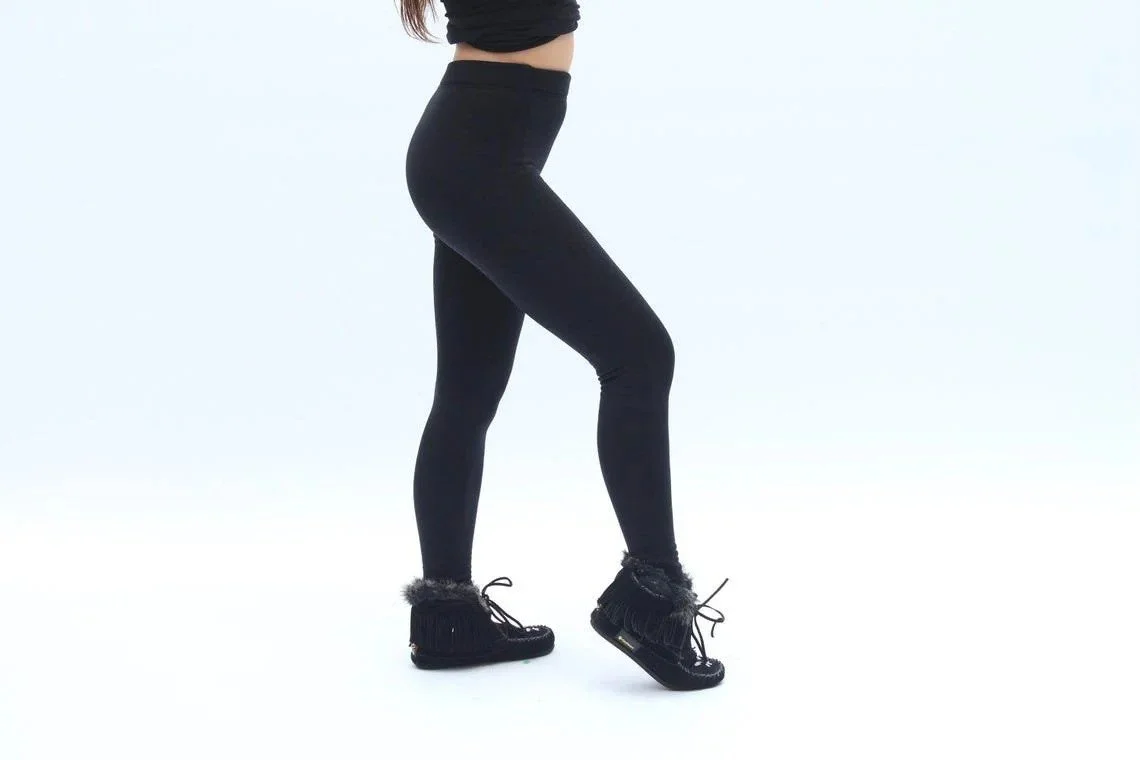
Gail recently put her Winter Woolies fleece-lined leggings to the test on exactly this kind of mountain trek in Peru. She wore them throughout the ascent and appreciated how comfortable they felt after a long day of hiking, when it was time to settle into her tent for the night.
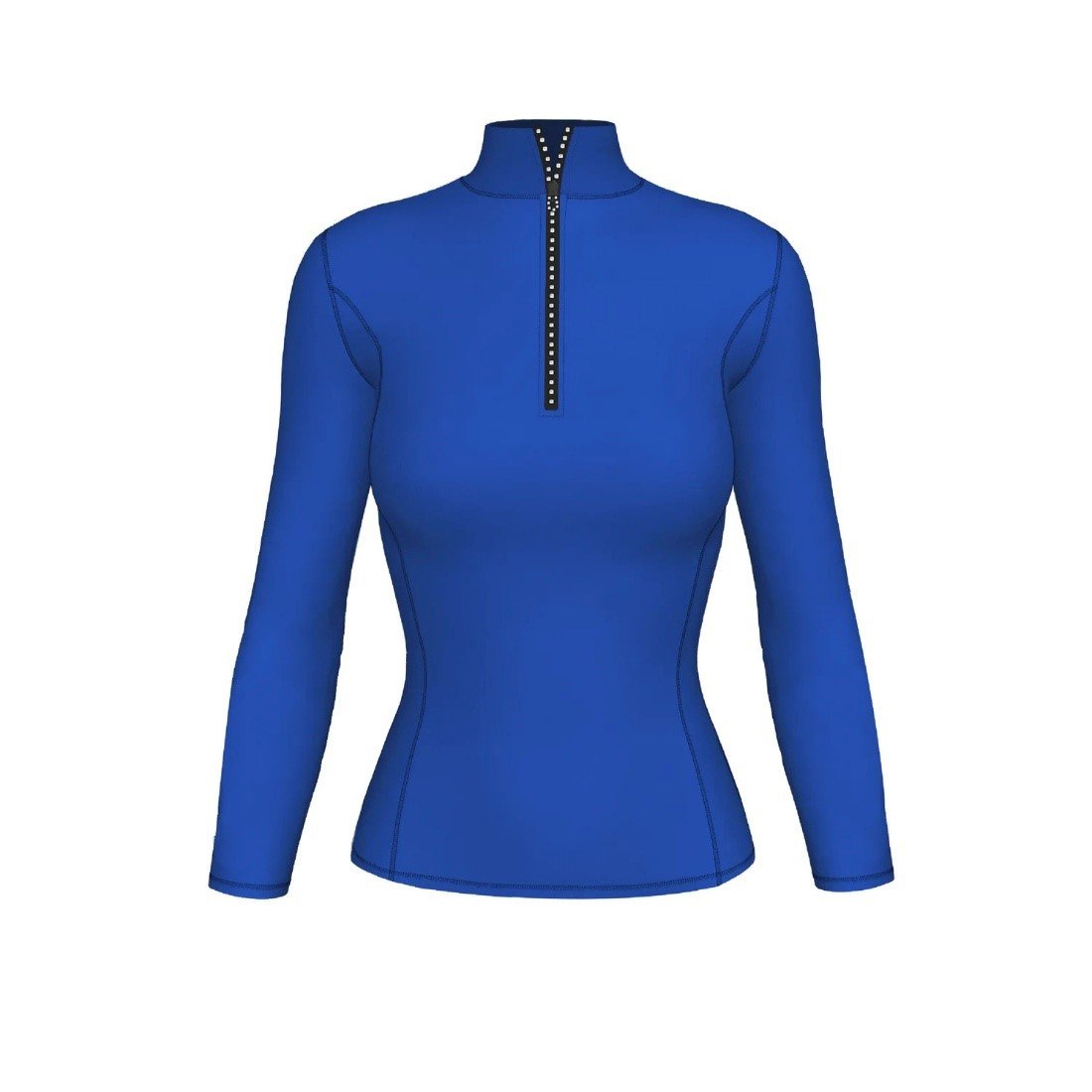
They were practical to travel with, too: lightweight, easy to pack in her knapsack, and wrinkle free when she took them out. In her mountain photo at the Warmiwañusca summit sign, she is also wearing the Winter Woolies Crystal Zip Top beneath her outer layers.
Why Base Layers Make the Difference
There is a common mistake that even experienced hikers make: treating the base layer as an afterthought. They invest in good boots, a quality outer shell, the right pack — and then grab whatever thermal leggings are on sale at the last minute.
On a four-day trek in the Andes, that decision shows up quickly.
The base layer is the piece closest to your skin. It is what regulates your temperature during the climb, wicks moisture away when you're working hard, and holds warmth when you stop moving and the cold arrives. A good base layer works with your body. A poor one works against it — clammy on the ascent, cold when you stop, and uncomfortable enough by day three that it becomes the thing you spend the rest of the trip thinking about.
What sets Winter Woolies apart is the fabric. Power Core is a four-way stretch material with a brushed fleece interior that warms to body temperature. It moves freely, it breathes during exertion, and when the day's hiking is done and you're zipping yourself into a sleeping bag at altitude, it holds warmth through the night. The outer surface is smooth and slim enough to layer easily under hiking pants, wind shells, or waterproof trousers — which is exactly how Gail wore them on the trail, with the Crystal Zip Top providing the same warmth and packability on her upper half.
There is a quality that seasoned travellers come to value above almost everything else in a packing list: items that do more than one job.
Gail's Winter Woolies leggings went into the knapsack as base layers and came out at the tent as pyjamas. That is not a small thing when you are strictly limited on weight and space. It means one less item. It means the bag is a little lighter on the steepest section of the climb. It means sleeping comfortably instead of shivering in whatever you could fit.
For trips where every layer needs to serve more than one purpose, comfortable thermal clothing makes packing simpler — and chilly evenings much more enjoyable.
What to Pack for the Inca Trail
If you're planning a trek to Machu Picchu or any high-altitude route in Peru, here is what the clothing reality looks like:
Daytime temperatures on the trail typically range from 10°C to 20°C depending on altitude and cloud cover. It can feel warm on a clear ascent in direct sun, and genuinely cold the moment you stop or a cloud moves in.
Night temperatures at the higher camps drop to between 2°C and 8°C. In a tent, a good base layer is the difference between a comfortable night's rest and a miserable one.
Rain is possible year-round on certain sections of the trail, particularly in the cloud forest zones below Machu Picchu itself. Layers that pack small and dry quickly are worth their weight — which is to say, worth their minimal weight.
A fleece-lined base layer on top and bottom, worn under lightweight hiking trousers and a wind or waterproof shell, handles the full range of what the Inca Trail asks of you. The Winter Woolies Active Pant and Crystal Zip Top are the pieces Gail packed. They were also the pieces she was still wearing happily on day four.
One Last Thought
Warmiwañusca means Dead Woman's Pass in Quechua. The name refers to the silhouette of the ridge as seen from a distance — the outline said to resemble a woman lying on her back. Standing at the summit after the climb, with the mountains laid out in every direction and the hard part of the day behind you, it is one of those places that earns its name in a different way: you feel genuinely alive there.
The right clothing helps. It means you are thinking about the view, not about being cold.
Shop the pieces Gail packed:
Winter Woolies Active Pant — CA$95
Crystal Zip Top — CA$120
Winter Woolies Activewear has been making Canadian-designed thermal performance wear since 2008. Every piece is made to go wherever you go — from the Inca Trail to the Canadian Rockies to the back of a very cold hotel room.